
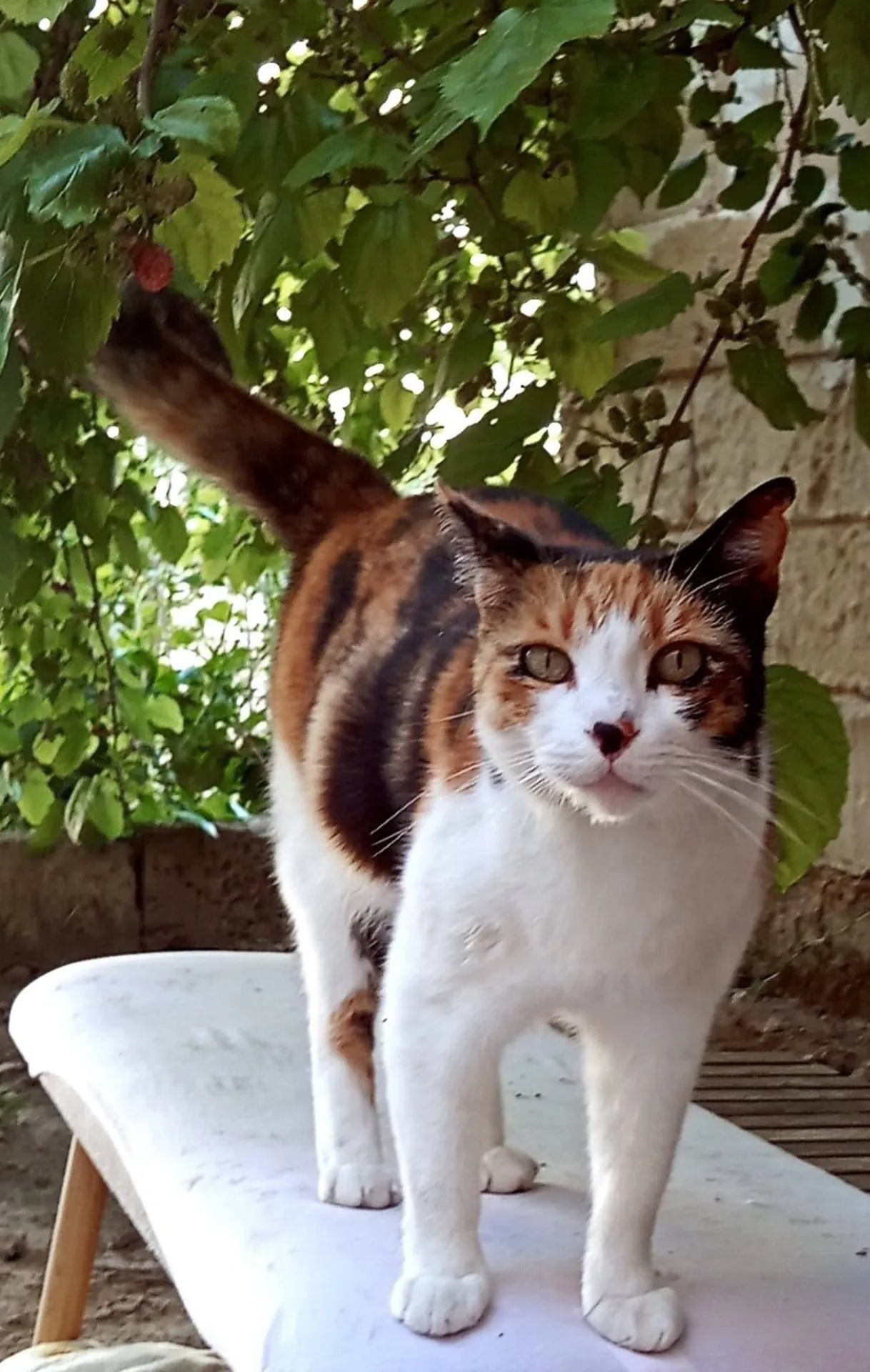
Understanding Stray Cat Welfare
Cats living without a permanent home are exposed to risks that owned indoor cats rarely meet: traffic, extreme heat, untreated injuries, disease and hunger. Responding with compassion means taking these risks seriously while acting in ways that are safe, lawful and considerate of the wider community.
Stray, Feral and Owned Outdoor Cats
Not every cat seen outdoors is in the same situation.
- Stray cats have usually lived with people at some point and may be approachable.
- Feral cats have had little or no contact with people and generally avoid being touched.
- Owned outdoor cats have a home and are simply spending time outside.
It is often impossible to tell these apart at a glance, which is why assumptions about ownership should be avoided.
Responsible Feeding Awareness
Feeding can help vulnerable cats, but it carries responsibilities. Food should be suitable for cats, offered in sensible amounts in a consistent place, and never left to spoil. Leftovers and containers should always be removed. See Environmental Responsibility.
Access to Clean Water
Fresh water matters as much as food, especially in Malta's hot summers. Water should be offered in a clean container, placed in shade where possible, and replaced regularly.
Safe Shelter Awareness
Outdoor cats seek protection from sun, wind and rain. Awareness of where cats may be sheltering, such as under vehicles or in storage areas, helps people avoid harming them accidentally.
Veterinary Care Awareness
Outdoor cats can suffer from injuries, parasites and infectious disease. Diagnosis and treatment are matters for qualified veterinarians. Well-meaning home treatment can cause harm.
Community Cooperation
Outdoor cats share space with residents, businesses and wildlife. Calm, respectful conversation between neighbors usually achieves more for the cats than conflict does.
Humane Population Management
Sterilization carried out by veterinary professionals is widely recognized as a humane way of limiting the number of unwanted litters. The principles are explained on the Trap-Neuter-Return Education page.
Appropriate Reporting of Injured Animals
If a cat appears injured or seriously unwell, avoid unnecessary handling and contact a qualified veterinarian or the relevant authority, such as the Animal Welfare Directorate, Government of Malta (opens in a new tab). More guidance is available on the Cat Rescue Awareness page.
Respect for Shared Environments
Caring for outdoor cats should never come at the cost of cleanliness, neighbors' property or local wildlife. Considerate behavior protects the cats' place in the community.
This page provides general education. It does not describe managed colonies, feeding stations or rescue locations operated by the association.