
Understanding Feline Wellbeing
A cat's welfare is more than the absence of illness. A cat that is doing well is healthy, feels safe, can behave in ways that are natural to it, and is not living with avoidable fear, pain or distress.
Cats have individual needs that may vary according to age, health, behavior, and circumstances. A confident young cat, a shy adult and an elderly cat can need quite different things from the same home.
Appropriate Food and Water
Cats need a suitable, complete diet in sensible amounts and constant access to fresh, clean water. Their nutritional needs are different from those of people and dogs, and they change through life. A veterinarian can advise on what is appropriate for an individual cat.
Safe Living Environments
A safe environment protects a cat from injury, extreme weather, traffic, toxic substances and other avoidable dangers. Indoors, this includes secure windows and balconies and keeping hazardous items out of reach. Every cat also needs somewhere it can retreat to when it feels unsure.
Veterinary Care Awareness
Regular contact with a qualified veterinarian is central to welfare. Routine examinations, preventive care and prompt attention when something seems wrong all help to prevent suffering. See Animal Health Awareness.
Environmental Enrichment
Cats are curious, active animals. Opportunities to climb, scratch, explore, hide, observe and play allow them to use their natural abilities and help prevent boredom and stress, particularly for cats that live indoors.
Behavioral Needs
Scratching, hunting-style play, scent marking and seeking high places are normal feline behaviors rather than faults to be punished. Providing acceptable outlets for them is kinder and more effective than trying to stop them.
Rest and Comfort
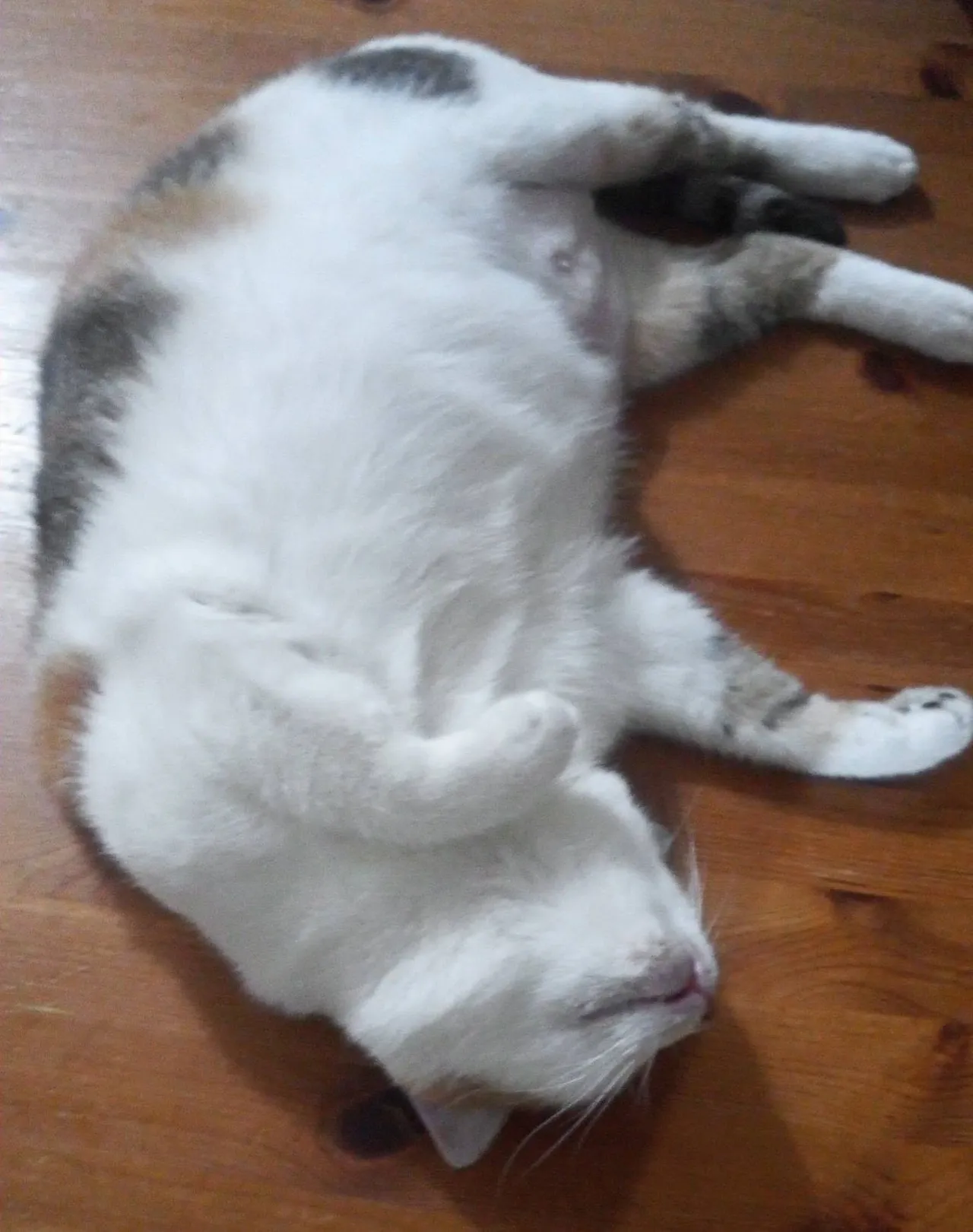
Cats sleep for much of the day. Warm, quiet, comfortable resting places, where they will not be disturbed by people or other animals, are a genuine need and not a luxury.
Protection From Cruelty
Every cat deserves protection from violence, neglect, abandonment and exploitation. Learn more on the Animal Cruelty Prevention page.
Responsible Human Interaction
Good interaction is led by the cat. Allowing a cat to approach, handling it gently, recognizing when it has had enough and never using physical punishment all build trust.
Long-Term Care Responsibilities
Cats commonly live well into their teens. Welfare therefore depends on a commitment that lasts through changes in housing, family, finances and the cat's own health. The Responsible Pet Ownership guide looks at this commitment in detail.