
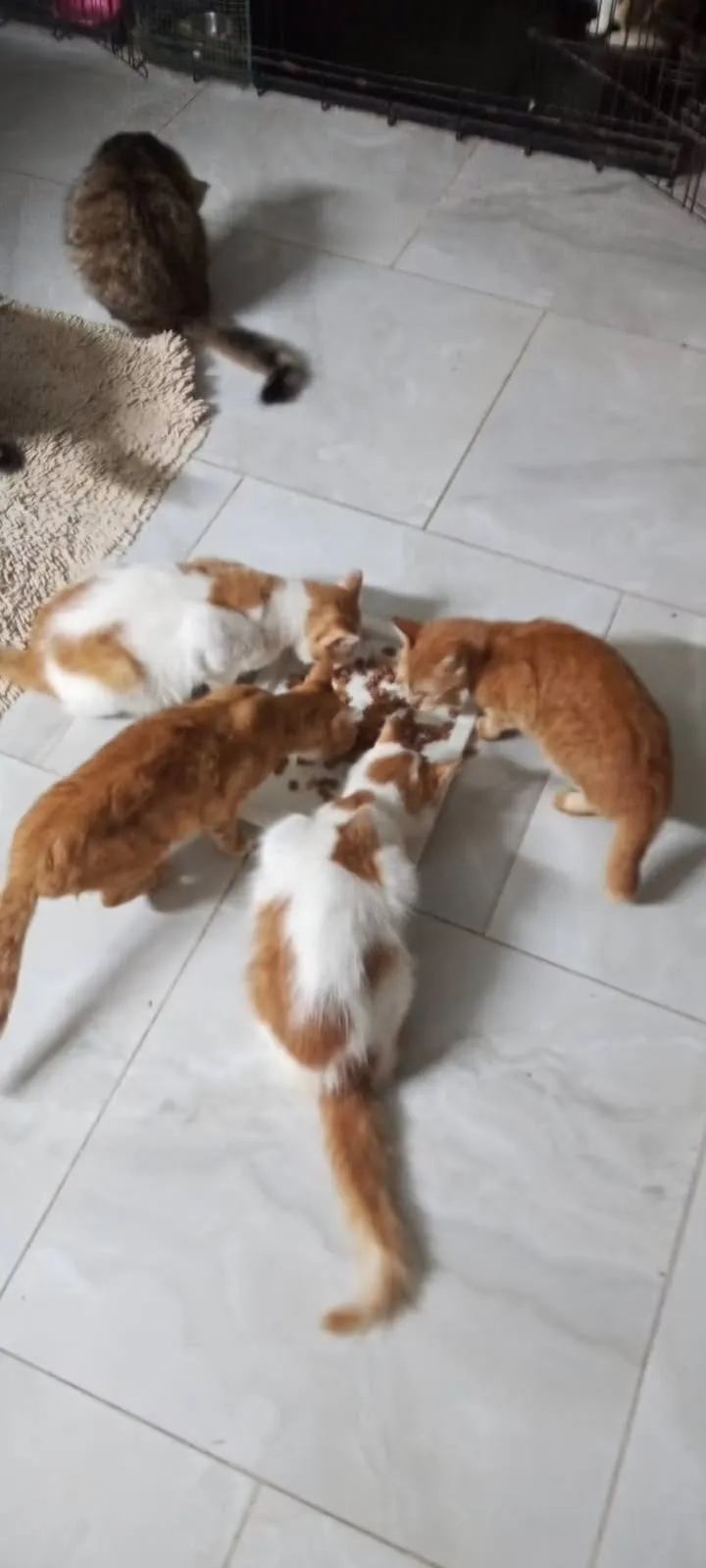
These program areas are presented as proposed priorities for organizational review and approval. This website does not claim that rescue services, shelters, adoption programs, veterinary partnerships or sterilization campaigns are currently operating.
Welfare and Protection
Program 1: Feline Welfare and Protection
This area focuses on the importance of humane treatment and responsible approaches to feline wellbeing. Potential priorities include:
- Animal welfare awareness.
- Understanding feline needs.
- Protection from neglect.
- Responsible animal care.
- Humane treatment.
- Community education.
- Animal protection awareness.
- Appropriate veterinary referral.
Read more: Feline Welfare.
Program 2: Stray Cat Welfare
Free-roaming and stray cats can face challenges related to food, shelter, illness, injury, and environmental conditions. Potential focus areas include:
- Stray cat awareness.
- Humane community responses.
- Responsible feeding principles.
- Access to clean water.
- Appropriate shelter awareness.
- Community cooperation.
- Veterinary care awareness.
- Responsible population management education.
Read more: Stray Cat Protection.
Program 3: Cat Rescue Awareness
Responsible animal rescue requires appropriate knowledge, resources, safety precautions, and professional support when necessary. Educational priorities include:
- Recognizing animals in distress.
- Responsible responses to injured cats.
- Appropriate reporting of welfare concerns.
- Safe interaction with unfamiliar animals.
- Veterinary referral.
- Community awareness.
- Ethical animal rescue principles.
Read more: Cat Rescue Awareness.
Program 11: Animal Cruelty Prevention
Animal cruelty prevention involves education, awareness, responsible reporting, and respect for applicable animal protection laws. Potential priorities include:
- Recognizing welfare concerns.
- Understanding neglect.
- Humane treatment.
- Appropriate reporting.
- Responsible community awareness.
- Prevention of exploitation.
- Respect for animal protection requirements.
Read more: Animal Cruelty Prevention.
Homes and Lifelong Care
Program 4: Responsible Adoption
Adoption is a long-term commitment that requires preparation, responsibility, and consideration of an animal's individual needs. Potential priorities include:
- Adoption readiness.
- Understanding long-term responsibilities.
- Suitable home environments.
- Family preparation.
- Financial responsibilities of pet ownership.
- Veterinary care awareness.
- Responsible introductions to other pets.
- Preventing abandonment.
Read more: Responsible Adoption.
Program 5: Foster Care Awareness
Temporary foster care can be an important component of animal welfare when appropriate resources, supervision, and veterinary guidance are available. Potential educational priorities include:
- Understanding foster care.
- Preparing suitable environments.
- Responsible temporary care.
- Hygiene awareness.
- Animal behavior awareness.
- Appropriate veterinary support.
- Responsible communication.
- Long-term welfare considerations.
Read more: Foster Care Awareness.
Program 6: Kitten Care Education
Young kittens have specific developmental, nutritional, environmental, and healthcare needs. Educational topics include:
- Age-appropriate care awareness.
- Safe environments.
- Socialization.
- Veterinary guidance.
- Appropriate nutrition awareness.
- Hygiene.
- Responsible handling.
- Recognizing signs that professional care is needed.
Read more: Kitten Care Education.
Program 7: Senior Cat Welfare
Older cats may require additional consideration of comfort, mobility, health, and environmental needs. Potential priorities include:
- Age-related welfare awareness.
- Comfortable living environments.
- Appropriate veterinary monitoring.
- Accessible food and water.
- Gentle interaction.
- Environmental enrichment.
- Respect for individual needs.
Read more: Senior Cat Welfare.
Program 10: Responsible Pet Ownership
Responsible ownership requires a long-term commitment to animal wellbeing. Educational priorities include:
- Appropriate nutrition.
- Clean drinking water.
- Veterinary care.
- Safe living environments.
- Environmental enrichment.
- Identification awareness.
- Sterilization awareness.
- Long-term financial responsibility.
- Prevention of abandonment.
Read more: Responsible Pet Ownership.
Program 12: Animal Health Awareness
General educational information about the importance of professional veterinary care. Potential topics include:
- Preventive veterinary care.
- Vaccination awareness.
- Parasite prevention awareness.
- Dental health awareness.
- Appropriate nutrition.
- Behavioral changes.
- Recognizing signs of illness.
- Seeking qualified veterinary assistance.
Read more: Animal Health Awareness.
Community Cats
Program 8: Community Cat Colonies
Community cats require responsible approaches that consider animal welfare, public health, environmental impact, and community relationships. Potential focus areas include:
- Responsible colony management awareness.
- Community cooperation.
- Feeding area cleanliness.
- Humane treatment.
- Sterilization awareness.
- Veterinary involvement.
- Environmental responsibility.
- Respect for shared public spaces.
Read more: Community Cat Colonies.
Program 9: Trap-Neuter-Return Education
Educational resources explaining the principles, potential benefits, limitations, and responsibilities associated with professionally coordinated Trap-Neuter-Return initiatives, including:
- Humane population management.
- Veterinary involvement.
- Appropriate legal requirements.
- Responsible community cooperation.
- Post-procedure welfare considerations.
- Long-term monitoring.
- Environmental considerations.
- Professional coordination.
Read more: Trap-Neuter-Return Education.
People and Community
Program 13: Youth and Community Education
Education can encourage children and young people to develop compassion, responsibility, and respect for animals. Potential priorities include:
- Understanding animal needs.
- Gentle and respectful interaction.
- Responsible pet ownership.
- Animal protection awareness.
- Community responsibility.
- Compassion and empathy.
- Appropriate adult supervision.
- Safe behavior around unfamiliar animals.
Read more: Youth and Community Education.
Program 14: Volunteer Development
Volunteers can contribute valuable time, knowledge, and abilities to animal welfare purposes. Potential areas include:
- Educational resource development.
- Community communication.
- Administrative assistance.
- Animal welfare awareness.
- Volunteer coordination.
- Responsible community engagement.
- Approved animal care support.
- Website and digital communication.
Read more: Volunteer With Us.
Program 15: Environmental Responsibility
Animal welfare and environmental responsibility should be considered together. Potential priorities include:
- Responsible waste management.
- Clean feeding environments.
- Respect for wildlife.
- Community cleanliness.
- Sustainable resource use.
- Responsible outdoor cat management.
- Cooperation with relevant authorities and professionals.
Read more: Environmental Responsibility.