
Understanding Community Cats
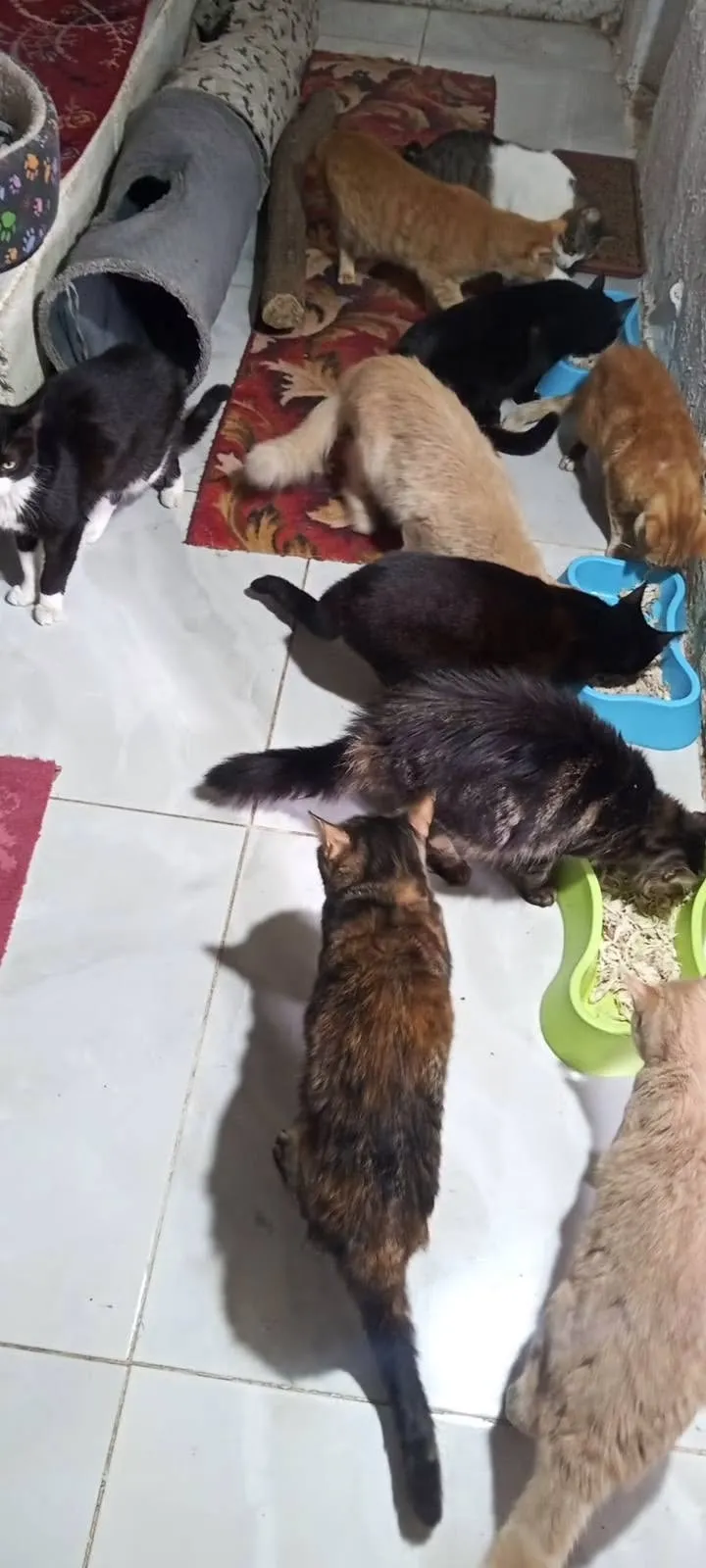
Community cats are free-roaming cats that live outdoors, often in groups around a reliable source of food and shelter. Some are friendly and some avoid people entirely. Many are looked after informally by local residents.
Responsible Colony Management Principles
Responsible care looks beyond feeding. It considers the cats' health, the size of the group over time, the cleanliness of the area and the views of the people who live and work nearby.
Appropriate Feeding Arrangements
Feeding at regular times, in a consistent and discreet place, with sensible quantities of suitable food, is better for the cats and for the neighborhood than leaving large amounts of food out.
Clean Feeding Environments
Uneaten food, packaging and dirty containers attract pests and cause complaints. Removing them every time is one of the most effective ways of protecting community cats from hostility.
Veterinary Involvement
Health care for community cats, including the treatment of illness and injury, must be provided by qualified veterinary professionals.
Sterilization Awareness
Without sterilization, a small group of cats can grow quickly, and the welfare of every cat in it can suffer. The general principles are explained on the Trap-Neuter-Return Education page.
Community Communication
Talking openly with neighbors, listening to concerns and explaining what is being done to keep the area clean can prevent misunderstandings from becoming disputes.
Respect for Neighbors
Not everyone welcomes cats near their home. Respecting private property and choosing feeding places with care are part of responsible colony care.
Environmental Protection
Feeding places should be chosen and kept so that they do not harm local wildlife or damage shared spaces. See Environmental Responsibility.
Responsible Long-Term Monitoring
Noticing new arrivals, cats that seem unwell and changes in the group over time allows concerns to be raised early with the appropriate professionals.
To protect the safety of animals, this website does not publish the locations of cat colonies.